Sponsored article
Stoneware or Porcelain: Which Works Better for Everyday Breakfast?
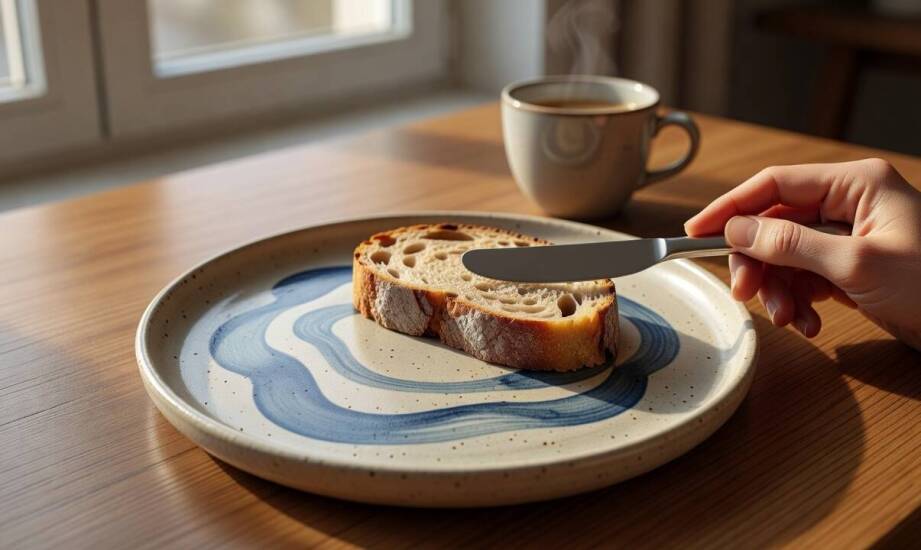
- Stoneware and Porcelain: How Do Their Properties Differ?
- Does Plate Thickness Affect Everyday Use?
- How Does the Decoration Affect Durability?
- How Do Stoneware and Porcelain Behave in the Dishwasher?
- What About the Microwave and Changes in Temperature?
- Which Material Is Better for Everyday Breakfast?
- Why Is Bolesławiec Stoneware Practical for Everyday Use?
- FAQ
- Is Stoneware More Durable Than Porcelain?
- Which Is Better for Everyday Use: Stoneware or Porcelain?
- Do Hand-Decorated Patterns Wear Off in the Dishwasher?
- Can Stoneware Be Washed in a Dishwasher?
- Can Porcelain Be Used in a Microwave?
- Does Stoneware Keep Food Warm for Longer?
- What Should You Look for When Choosing Breakfast Plates?
Busy mornings call for tableware that can cope with frequent use, quick meals and regular trips through the dishwasher. Appearance matters, but for everyday breakfast plates, practicality is just as important.
Read more: Durability of Bolesławiec pottery – why choose Polish products?
Hand-decorated stoneware and traditional porcelain can both work well at the breakfast table, but they feel and behave differently. Their weight, wall thickness, ceramic body, glaze and firing process all influence the everyday experience.
The best choice therefore depends less on which material is universally “better” and more on how the plates will actually be used.
Stoneware and Porcelain: How Do Their Properties Differ?
Stoneware is a high-fired ceramic body that becomes dense and suitable for functional tableware.
Porcelain is also fired at high temperatures but is generally formulated to achieve a very dense, often white and sometimes translucent body. Its final properties depend on the raw-material composition and firing process rather than temperature alone.
Stoneware tableware is often made with somewhat thicker walls and a more substantial form than fine porcelain.
This difference can affect:
weight;
feel in the hand;
thermal behaviour;
appearance;
sensitivity to impact.
However, stoneware is not automatically more durable than porcelain.
A thin stoneware plate may be more vulnerable than a well-designed porcelain one, while a substantial stoneware plate can cope very well with everyday household use.
The quality of the ceramic body, glaze, shape and edges all matter.
Does Plate Thickness Affect Everyday Use?
A heavier, more substantial plate often feels different from lightweight porcelain.
Its additional mass means that the ceramic itself can absorb and store more heat. If a plate is slightly warmed before serving, this can help a hot breakfast remain warm for longer.
A cold, heavy plate will initially absorb heat from the food, however, so thickness alone does not guarantee better heat retention.
Weight can also make a plate feel stable on the table, although excessive weight may be less convenient when carrying or stacking several pieces.
This is why the best breakfast tableware balances solidity with comfortable everyday handling.
When choosing breakfast plates, it is worth looking at the overall proportions rather than simply assuming that the thickest plate is the most practical.
How Does the Decoration Affect Durability?
Bolesławiec pottery is decorated before the final glazing and firing stages.
The characteristic patterns are applied by hand using stamps and brushes. A transparent glaze is then applied over the decoration before the ceramic undergoes its final high-temperature firing.
This means that the pattern is protected beneath the glazed surface rather than being printed onto the finished plate.
The glaze gives the plate a smooth surface that is easy to clean while helping protect the decoration during normal use.
This is particularly useful for breakfast plates that may be used every morning for toast, eggs, fruit, sandwiches or other meals and washed immediately afterwards.
How Do Stoneware and Porcelain Behave in the Dishwasher?
Both stoneware and porcelain can be dishwasher-safe when the manufacturer designs them for this purpose.
The main consideration is therefore not simply the ceramic category but the specifications of the individual product.
Contemporary plates from Bunzlau Manufaktura are designed for regular dishwasher use. The transparent glazed layer protects the hand-applied decoration and makes the surface easy to clean.
Careful loading still matters.
Plates should be positioned so that they do not knock repeatedly against one another during the washing cycle, regardless of whether they are made from stoneware or porcelain.
Edges remain one of the most vulnerable areas of any ceramic plate.
What About the Microwave and Changes in Temperature?
Modern stoneware and porcelain may also be suitable for microwave use, provided the manufacturer confirms it.
Metallic decoration such as gold or platinum usually makes ceramic tableware unsuitable for microwave ovens.
Bunzlau Manufaktura states that its contemporary plates are suitable for the dishwasher, microwave and oven up to 220°C.
Even with heat-resistant ceramics, sudden extreme temperature changes are best avoided.
Moving a very cold plate directly into an extremely hot environment can create thermal stresses in the ceramic body and glaze.
For everyday use, gradual changes in temperature are the safer approach.
Which Material Is Better for Everyday Breakfast?
The answer depends on household habits.
Stoneware can be particularly attractive when you prefer:
a substantial feel;
hand-applied decoration;
expressive patterns;
tableware intended for frequent everyday use.
Porcelain may be preferable when you value:
a lighter appearance;
thinner forms;
a refined white surface;
more delicate-looking table settings.
Neither material needs to be reserved for special occasions.
A high-quality porcelain plate can be practical for everyday breakfast, just as richly decorated stoneware can be used every morning rather than displayed only in a cabinet.
Why Is Bolesławiec Stoneware Practical for Everyday Use?
Manufaktura in Bolesławiec combines traditional hand decoration with stoneware intended for contemporary kitchens.
The plates are fired at high temperature and finished with transparent glaze over the decoration.
According to the manufacturer, its dinner and breakfast plates are suitable for everyday dishwasher and microwave use, while the current plate collection can also be used in the oven up to 220°C.
This makes it possible to choose handcrafted patterns without treating the tableware as purely decorative.
The decision between stoneware and porcelain ultimately comes down to personal preference and everyday habits.
For breakfast, the most practical plate is one whose weight, size, edge profile and care requirements suit the way it will actually be used.
FAQ
Is Stoneware More Durable Than Porcelain?
Not always. Durability depends on the ceramic body, firing, glaze, thickness and design of the individual piece.
Stoneware is often more substantial, while porcelain can be extremely dense and strong despite being thinner.
Which Is Better for Everyday Use: Stoneware or Porcelain?
Both can work very well.
Stoneware is often chosen for its substantial form and handcrafted character, while porcelain offers a lighter and more refined appearance.
Do Hand-Decorated Patterns Wear Off in the Dishwasher?
When decoration is applied beneath a suitable glaze and the manufacturer approves the product for dishwasher use, the pattern is well protected during normal washing.
Bunzlau Manufaktura confirms dishwasher use for its contemporary plates.
Can Stoneware Be Washed in a Dishwasher?
Yes, when the manufacturer specifies that the product is dishwasher-safe.
Bunzlau Manufaktura plates are designed for dishwasher use.
Can Porcelain Be Used in a Microwave?
Many porcelain products can be used in a microwave, but pieces with metallic decorations such as gold or platinum should not be microwaved.
Always check the manufacturer's instructions.
Does Stoneware Keep Food Warm for Longer?
A substantial stoneware plate can store more thermal energy than a very thin plate, particularly if it is preheated.
However, heat retention depends on the plate's actual mass, thickness and temperature rather than on the material name alone.
What Should You Look for When Choosing Breakfast Plates?
Consider size, weight, edge shape, glaze quality and whether the manufacturer confirms dishwasher and microwave use.
For hand-decorated ceramics, it is also worth checking whether the decoration is protected beneath the glaze.
You might be interested
What are the Key Features of Well-Made Liturgical Vestments?
Durability of Bolesławiec pottery – why choose Polish products?
